Cart
0
You may also like






If you're constantly tired, your joints ache, your brain feels foggy, and you can't quite pinpoint what's wrong—you're not alone. Chronic inflammation is now recognized as the silent driver of virtually every major chronic disease, from heart disease and diabetes to Alzheimer's and cancer.
Unlike acute inflammation, chronic inflammation operates in the shadows. It produces no obvious symptoms until significant damage has occurred. Doctors call it "silent inflammation" or "inflammaging"—a persistent, low-grade immune activation that quietly accelerates biological aging, disrupts cellular function, and sets the stage for disease.
Here's the paradigm shift: chronic inflammation isn't just a symptom of disease—it's often the root cause. And the good news? It's modifiable. With targeted nutrition, strategic supplementation, and lifestyle changes, you can extinguish the silent fire before it burns down your health.
In this guide, we'll break down exactly what chronic inflammation is, why it's so dangerous, which symptoms signal you have it, and how black seed oil (thymoquinone), glutamine, and collagen can calm the inflammatory cascade—giving you back your energy, mental clarity, and long-term health.
Acute inflammation is your body's normal, healthy response to injury or infection. This is GOOD inflammation. It's protective, self-limiting, and resolves once the threat is gone (usually within days to weeks).
Chronic inflammation is entirely different:
It's persistent (lasting months to years)
It's low-grade (not dramatic like acute inflammation)
It's systemic (affects multiple organs and tissues simultaneously)
It produces no obvious symptoms in the early stages
It doesn't resolve on its own—it just keeps burning
Because you don't feel it happening, chronic inflammation quietly:
Damages blood vessel walls (setting the stage for heart disease)
Disrupts insulin signaling (leading to type 2 diabetes)
Attacks neurons (contributing to Alzheimer's and Parkinson's)
Dysregulates immune function (triggering autoimmune diseases)
Accelerates cellular aging (making you biologically older than your chronological age)
By the time symptoms appear—fatigue, joint pain, brain fog, digestive issues—the inflammation has already been wreaking havoc for months or years.

Most people with chronic inflammation don't realize they have it because the symptoms are vague and easy to dismiss.
You get a full night's sleep, but you're still exhausted. Every task feels like you're walking through quicksand. Coffee doesn't help. Rest doesn't help.
Why inflammation causes it: Inflammatory cytokines (TNF-α, IL-6, IL-1β) interfere with mitochondrial function—the tiny energy factories inside your cells. When mitochondria can't produce ATP efficiently, your brain, muscles, and organs don't get the fuel they need.
Key insight: Fatigue is one of the earliest and most persistent symptoms of chronic inflammation.
Your knees ache. Your back is stiff. You feel like you're 20 years older than you are. Standing up after sitting feels like your joints need to "warm up".
Why inflammation causes it: Chronic inflammation targets connective tissues—cartilage, tendons, ligaments, joint linings. Over time, this causes structural damage, pain, and loss of mobility.
Key insight: If your joints hurt and you haven't been injured, chronic inflammation is likely the culprit.
You walk into a room and forget why you're there. You can't focus on tasks. Your thinking feels "clouded" or slow.
Why inflammation causes it: Inflammatory cytokines cross the blood-brain barrier, triggering neuroinflammation—chronic activation of microglia (brain immune cells). This disrupts neurotransmitter production, impairs synaptic function, and damages neurons.
Key insight: Brain fog isn't "just aging"—it's often a sign that systemic inflammation is affecting your central nervous system.
Bloating after meals. Constipation alternating with diarrhea. Acid reflux. Food sensitivities that seem to appear out of nowhere.
Why inflammation causes it: The gut houses 70% of your immune system. When chronic inflammation disrupts gut microbiota balance, intestinal permeability increases ("leaky gut"), allowing bacterial toxins (LPS) to enter your bloodstream and trigger systemic inflammation.
Key insight: Gut inflammation doesn't stay in the gut—it becomes systemic.
You're eating the same, exercising the same, but the scale keeps creeping up. Belly fat accumulates despite your efforts.
Why inflammation causes it: Chronic inflammation disrupts leptin and insulin signaling, promoting fat storage (especially visceral fat around organs). Visceral fat itself produces inflammatory cytokines, creating a vicious cycle.
Key insight: Weight gain isn't just about calories—it's often inflammation-driven metabolic dysfunction.
Low mood that won't lift. Anxiety without obvious triggers. Irritability. Lack of motivation.
Why inflammation causes it: Inflammatory cytokines reduce serotonin and dopamine production. Chronic neuroinflammation is now recognized as a major contributor to depression and anxiety.
Key insight: Your mental health is intimately connected to your inflammatory status.
You catch every cold. Cuts and scrapes take forever to heal. You're always fighting something off.
Why inflammation causes it: Chronic immune activation exhausts your immune system's ability to respond effectively to acute threats.
Key insight: Paradoxically, chronic inflammation makes you more vulnerable to infections, not less.

Chronic inflammation isn't just uncomfortable—it's the underlying driver of the most deadly diseases of our time:
Cardiovascular Disease — Inflammation damages artery walls, promotes plaque buildup, and triggers clot formation.
Type 2 Diabetes — Inflammatory cytokines disrupt insulin signaling, causing insulin resistance and elevated blood sugar.
Alzheimer's Disease & Dementia — Chronic neuroinflammation drives neuronal death and protein accumulation (amyloid plaques, tau tangles).
Cancer — Chronic inflammation damages DNA, promotes tumor growth, and suppresses immune surveillance.
Autoimmune Diseases — Persistent inflammation causes the immune system to attack the body's own tissues (rheumatoid arthritis, lupus, MS, psoriasis).
Inflammatory Bowel Diseases — Chronic gut inflammation causes Crohn's disease, ulcerative colitis, and long-term colon damage.
Osteoarthritis — Persistent joint inflammation destroys cartilage, causing irreversible damage.
The common thread: All of these conditions share elevated inflammatory markers (hsCRP, TNF-α, IL-6, homocysteine, ferritin).
Chronic inflammation doesn't just "happen"—it's driven by specific factors:
1. Poor Diet (High Sugar, Seed Oils, Ultra-Processed Foods) — Refined carbohydrates spike insulin and trigger inflammatory pathways. Omega-6 fatty acids (in seed oils) promote inflammation.
2. Gut Dysbiosis & Leaky Gut — Imbalanced gut microbiota produce inflammatory metabolites. Increased intestinal permeability allows LPS (bacterial toxins) into the bloodstream.
3. Chronic Stress — Elevated cortisol dysregulates immune function and activates inflammatory pathways (NF-κB, MAPK).
4. Sedentary Lifestyle — Lack of movement increases inflammatory cytokines. Exercise reduces inflammation; inactivity does the opposite.
5. Poor Sleep — Sleep deprivation elevates IL-6, TNF-α, and CRP. Disrupts circadian regulation of immune function.
6. Obesity (Especially Visceral Fat) — Fat tissue produces inflammatory cytokines (adipokines), creating a self-perpetuating inflammatory cycle.
7. Environmental Toxins — Air pollution, heavy metals, pesticides trigger oxidative stress and inflammation.
The modern epidemic: We're living in the most pro-inflammatory era in human history—sedentary jobs, ultra-processed foods, chronic stress, sleep deprivation, environmental toxins. Our bodies are in a constant state of low-grade attack.
Unlike acute inflammation (which you can see and feel), chronic inflammation requires lab testing to detect:
hsCRP (High-Sensitivity C-Reactive Protein) — Most widely used marker of systemic inflammation.
Optimal: <1.0 mg/L | Elevated: 1.0-3.0 mg/L (moderate risk) | High: >3.0 mg/L (high cardiovascular risk)
Homocysteine — Elevated levels linked to cardiovascular disease, dementia, accelerated aging.
Ferritin — Chronically elevated ferritin (without iron deficiency) signals inflammation.
IL-6, TNF-α, IL-1β — Pro-inflammatory cytokines (specialized testing required).
Key insight: Most people with chronic inflammation have elevated hsCRP but feel "fine" because they've adapted to their baseline inflammatory state.
For over 1,400 years, black seed (Nigella sativa) has been revered in Islamic and Ayurvedic medicine. The Prophet Muhammad PBUH reportedly said, "Black seed is a remedy for every disease except death."
Modern science now confirms what ancient healers knew: black seed oil—specifically its active compound thymoquinone (TQ)—is one of nature's most potent anti-inflammatory agents.
Mechanism #1: COX-2 and LOX Inhibition
Thymoquinone inhibits cyclooxygenase-2 (COX-2) and lipoxygenase (LOX)—the two primary enzymes that produce inflammatory prostaglandins and leukotrienes.
Translation: TQ works similarly to NSAIDs (ibuprofen, naproxen) but without the gut damage and side effects.
Mechanism #2: NF-κB Pathway Suppression
NF-κB is the "master regulator" of inflammation. Thymoquinone blocks NF-κB activation, preventing the inflammatory cascade.
Translation: TQ stops inflammation at the source—before cytokines are produced.
Mechanism #3: Cytokine Downregulation
Clinical trials show black seed treatment reduces TNF-α, IL-6, IL-1β, and other inflammatory markers in humans.
Translation: Measurable reduction in systemic inflammation within weeks of supplementation.
Mechanism #4: Antioxidant Protection
Thymoquinone increases glutathione, catalase, and superoxide dismutase (SOD)—your body's primary antioxidant defense systems.
Translation: TQ doesn't just reduce inflammation—it prevents future inflammatory damage.
Study #1 (2017): A review of clinical trials found that black seed and thymoquinone possess multiple useful effects for treating inflammatory and autoimmune disorders.
Study #2 (2025): Confirmed black seed reduces inflammatory markers and joint pain in rheumatoid arthritis patients.
Study #3 (2022): Researchers found thymoquinone reduces the inflammatory cytokine storm and viral replication in SARS-CoV-2 patients.
Safety profile: Side effects are rare and mild. Black seed is considered safe for long-term use.
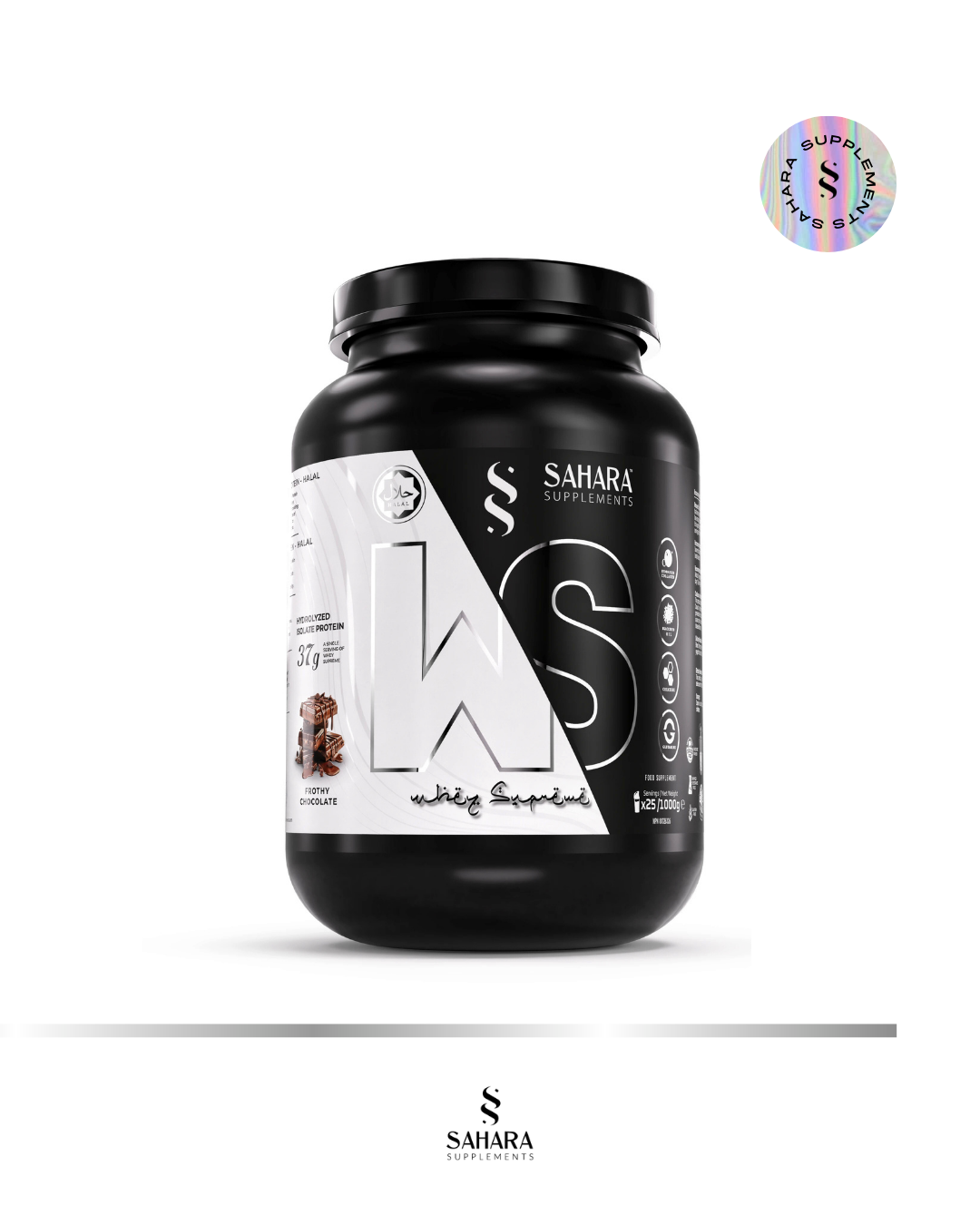
Most anti-inflammatory supplements target ONE pathway. Whey Supreme takes a multi-pathway approach, addressing inflammation from three distinct angles simultaneously.
Hero Ingredient: Black Seed Oil Extract (670mg per serving, standardized for thymoquinone)
Inhibits COX-2 and LOX enzymes (stops prostaglandin and leukotriene production)
Blocks NF-κB activation (prevents inflammatory cytokine release)
Downregulates TNF-α, IL-6, IL-1β (measurable reduction in inflammatory markers)
Increases antioxidant defenses (glutathione, catalase, SOD)
Result: Systemic inflammation decreases within 2-4 weeks. Joint pain, brain fog, and fatigue improve as inflammatory burden drops.
Hero Ingredient: L-Glutamine (3.5g per serving)
Heals leaky gut (strengthens intestinal tight junctions, prevents LPS translocation)
Reduces gut-derived inflammation (seals the barrier that allows bacterial toxins into the bloodstream)
Supports immune balance (70% of immune system resides in the gut)
Converts to glutathione (master antioxidant that neutralizes free radicals)
Result: By healing the gut lining, glutamine eliminates one of the primary drivers of chronic systemic inflammation—leaky gut.
Key insight: Many people with chronic inflammation have undiagnosed leaky gut. Glutamine addresses this at the source.
Hero Ingredient: Hydrolyzed Bovine Collagen (8g per serving)
Reduces joint inflammation (collagen peptides accumulate in cartilage and connective tissues)
Supports cartilage repair (provides glycine, proline, hydroxyproline for collagen synthesis)
Calms inflammatory arthritis (clinical studies show collagen reduces joint pain and stiffness)
Result: Joints hurt less, mobility improves, and structural damage from chronic inflammation slows or reverses.
Based on clinical research and user feedback, here's the realistic timeline when using Whey Supreme:
Week 1-2: Gut Healing and Inflammation Begins to Decrease
• Glutamine starts sealing leaky gut
• Black seed oil inhibits inflammatory enzymes (COX-2, LOX)
• You might notice: slightly better energy, less bloating, improved digestion
• Inflammatory markers: Early downward trend in hsCRP
Week 2-4: Systemic Inflammation Drops
• LPS translocation decreases (thanks to healed gut barrier)
• Cytokines (TNF-α, IL-6) measurably decrease
• You might notice: less joint pain, better sleep, clearer thinking
• Inflammatory markers: hsCRP dropping 15-25%
Week 4-6: Chronic Symptoms Improve
• Black seed oil's anti-inflammatory effects fully established
• Collagen accumulation in joints reduces pain and stiffness
• You might notice: consistent energy, brain fog clearing, fewer aches
• Inflammatory markers: hsCRP down 30-40% from baseline
Week 6-8: New Baseline Established
• Gut microbiota rebalanced
• Joint inflammation significantly reduced
• You might notice: sustained energy, mental clarity, pain-free movement
• Inflammatory markers: hsCRP in optimal range (<1.0 mg/L)
Week 8-12: Long-Term Inflammation Control
• Chronic inflammation significantly suppressed
• Systemic symptoms (fatigue, brain fog, joint pain) 70-80% improved
• Disease risk decreases (cardiovascular, metabolic, neurodegenerative)
• You realize: the "normal" you'd accepted was actually chronic inflammation
The key difference: Most anti-inflammatory supplements (fish oil, turmeric) only address ONE pathway. Whey Supreme addresses inflammation from three distinct angles simultaneously—resulting in faster, more comprehensive results.
For Muslim consumers, finding halal-certified supplements has been nearly impossible. Most formulas contain questionable sourcing, non-halal additives, or pork-derived gelatin.
Whey Supreme is ISNA halal-certified, covering:
Halal black seed oil (honoring 1,400 years of Islamic medicine tradition)
Halal bovine collagen (from grass-fed, humanely-raised cows; ethical slaughter per Islamic law)
Halal whey protein isolate (from halal-certified dairy farms)
Supply chain transparency (full traceability from farm to finished product)
No cross-contamination (no pork derivatives, alcohol, or non-compliant additives)
Supplements work best as part of a comprehensive anti-inflammatory strategy:
1. Adopt an Anti-Inflammatory Diet (Mediterranean-Style)
Focus on: wild-caught fish (omega-3s), colorful vegetables (antioxidants), olive oil (polyphenols), berries (anthocyanins), nuts (healthy fats). Avoid: seed oils, ultra-processed foods, refined sugar, trans fats.
2. Move Daily (Even Light Movement Reduces Inflammation)
Exercise decreases inflammatory cytokines and increases anti-inflammatory myokines. Even 20-30 minutes of walking daily has measurable effects.
3. Prioritize Sleep (7-9 Hours Nightly)
Sleep deprivation spikes IL-6, TNF-α, and CRP. Deep sleep is when your body clears inflammatory debris and resets immune function.
4. Manage Stress (HPA Axis Regulation)
Chronic stress = chronic cortisol = chronic inflammation. Daily stress management (meditation, breathwork, nature time) reduces inflammatory burden.
5. Heal Your Gut (Probiotics, Fiber, Bone Broth)
Since 70% of your immune system is in your gut, healing gut dysbiosis and leaky gut is critical for inflammation control.
✅ You're a Good Candidate If:
• You have unexplained fatigue (despite adequate sleep and rest)
• You experience joint pain or stiffness (especially in the morning)
• You struggle with brain fog or poor focus (difficulty concentrating, memory lapses)
• You have digestive issues (bloating, irregular bowel movements, food sensitivities)
• You're overweight (especially belly fat) (visceral fat produces inflammatory cytokines)
• You have mood disorders (depression, anxiety that won't lift)
• You've been diagnosed with an inflammatory condition (arthritis, IBS, autoimmune disease)
• You have elevated inflammatory markers (hsCRP >1.0 mg/L, high homocysteine, elevated ferritin)
• You're looking for halal-certified anti-inflammatory support (religious compliance + premium quality)
⚠️ Consult a Healthcare Provider First If:
• You have a diagnosed autoimmune disease (need medical supervision for treatment)
• You're on immunosuppressive medications (supplements may interact)
• You have severe, acute inflammation (seek emergency medical care)
• You're pregnant or nursing (limited data on supplement safety during pregnancy)
Chronic inflammation is the silent epidemic of our time. It's the common thread linking heart disease, diabetes, Alzheimer's, cancer, autoimmune disease, and accelerated aging.
But here's the empowering truth: chronic inflammation is modifiable. With targeted nutrition, strategic supplementation, and lifestyle optimization, you can cool the fire of inflammation, lower your biological age, and reclaim your health.
Whey Supreme isn't just a protein powder—it's a comprehensive anti-inflammatory system. 670mg of halal-certified black seed oil (thymoquinone) to inhibit inflammatory pathways. 3.5g of glutamine to heal leaky gut and stop gut-derived inflammation. 8g of halal-certified collagen to reduce joint inflammation and support tissue repair. Plus 23g of clean, hydrolyzed whey protein with zero inflammatory additives. Every ingredient Health Canada Approved, clinically dosed. Every batch, third-party tested (Informed Choice and Sport Certified). Every serving, halal-certified for ethical sourcing.
The silent fire is destroying your health. It's time to put it out.
Chronic inflammation overview: Cleveland Clinic, 2023; StatPearls, 2023; Harvard Health, 2020
Silent inflammation and aging: QIM Health, 2026; Global RPH, 2026; Yoo Direct Health, 2025
Inflammaging mechanisms: Global RPH, 2026; OSF Healthcare, 2026
Chronic inflammation symptoms: Hotzeh WC, 2026; Mayo Clinic Press, 2026; Motivated Medicine, 2026
Diseases linked to chronic inflammation: Cleveland Clinic, 2023; WebMD, 2024
Black seed oil clinical trials: PMC, 2017; PMC, 2025; Cleveland Clinic, 2024
Thymoquinone mechanisms: ClinicalTrials.gov, 2025; PMC, 2025
Gut-inflammation connection: Hotzeh WC, 2026; Global RPH, 2026
This article is for informational purposes only and does not constitute medical advice. These statements have not been evaluated by the Food and Drug Administration. This product is not intended to diagnose, treat, cure, or prevent any disease. Always consult a healthcare provider before starting any new supplement regimen, especially if you have existing health conditions or take medications.

