Cart
0
You may also like






If you've spent years battling acne with topical creams, expensive serums, and dermatologist prescriptions that only work temporarily, here's what nobody told you: your skin problem isn't on your face—it's in your gut.
The gut-skin axis—the bidirectional communication network between your digestive system and your skin—is one of 2026's most groundbreaking wellness discoveries. Research now confirms what holistic practitioners have suspected for decades: chronic acne, dull skin, rosacea, eczema, and premature aging often originate from intestinal dysbiosis, leaky gut, and systemic inflammation.
Here's the paradigm shift: when your gut microbiome is imbalanced, your skin mirrors that dysfunction. Fix your gut, and your skin often clears—without ever touching a topical product.
In this guide, we'll break down exactly how the gut-skin axis works, why your skincare routine has been failing, and how strategic supplementation with glutamine, collagen, and anti-inflammatory compounds can heal your skin from the inside out—addressing the root cause instead of masking symptoms.
The gut-skin axis describes the bidirectional regulatory network linking intestinal microbiota composition and function to cutaneous inflammation and skin barrier integrity.
In plain English: what happens in your gut shows up on your skin.
Mechanism #1: Immune System Modulation
Around 70% of your immune system resides in your gut. When gut bacteria are balanced, your immune system stays calm and regulated. When dysbiosis (microbial imbalance) occurs, immune cells release pro-inflammatory cytokines that circulate systemically—including to your skin.
Result: Inflammatory skin conditions like acne, rosacea, eczema, and psoriasis.
Mechanism #2: Leaky Gut (Increased Intestinal Permeability)
A healthy gut lining has tight junctions that prevent bacteria, toxins, and undigested food particles from entering your bloodstream. When these junctions weaken (leaky gut), lipopolysaccharides (LPS) from gram-negative bacteria leak through.
Result: Systemic inflammation that manifests as skin breakouts, dullness, and accelerated aging.
Mechanism #3: Metabolic Byproducts
Gut bacteria produce short-chain fatty acids (SCFAs) when they ferment dietary fiber. SCFAs like butyrate reduce inflammation and strengthen both gut and skin barriers.
Mechanism #4: Hormonal Dysregulation
An overgrowth of certain gut microbes increases insulin and cortisol levels, leading to excess sebum production—the oily substance that clogs pores and causes acne.
Result: Hormonal acne, especially around the jawline and chin.
This isn't pseudoscience or wellness hype—it's peer-reviewed, published research from 2025-2026:
A May 2026 study published in Applied Sciences found that acne vulgaris patients consistently show altered gut microbiota and increased intestinal permeability.
Key finding: "Inflammatory signals from the gut may influence sebum production and skin cell turnover, contributing to clogged pores and breakouts".
Translation: Your breakouts aren't caused by dirty pillowcases or makeup—they're caused by bacterial imbalance in your gut triggering inflammatory pathways that dysregulate oil production in your skin.
A February 2026 review found that gut microbiota-driven immune modulation, SCFA production, and LPS translocation directly regulate skin inflammation and barrier integrity.
Translation: Restoring beneficial gut bacteria improves skin health by calming systemic inflammation and strengthening your skin's protective barrier.
A December 2025 review found that acne patients have reduced gut microbial diversity, loss of SCFA-producing bacteria, and enrichment of pro-inflammatory taxa.
Translation: The worse your gut microbiome balance, the worse your acne.
Key finding: F. prausnitzii is a well-known microbiomarker of inflammatory diseases—low levels correlate with atopic dermatitis, psoriasis, and other skin conditions.
Translation: Certain keystone bacteria in your gut directly influence whether your skin stays healthy or inflames.
Clinical studies are powerful, but nothing beats hearing from real people who fixed their skin by healing their gut:
"I have been very acne-prone all my life until I was diagnosed with a leaky gut. With a gut repair plan (new strict diet, supplements, pre and probiotics, vitamins), my leaky gut cleared, and my skin as well. I no longer have acne. No more puffiness, bloated face, no redness."
Key insight: This person didn't use prescription acne medication—they healed their gut, and their skin cleared as a side effect.
"Gut infection gave me the worst acne of my life. Dermatologist completely missed the root cause."
Key insight: Dermatologists are trained to treat skin topically, not investigate gut health. The root cause was missed entirely.
"I never had acne in my life—only a very mild flare as a teenager—but it appeared after I developed dysbiosis, which led to leaky gut and an imbalance of beneficial versus harmful bacteria."
Key insight: Clear skin for decades, then sudden acne onset directly correlated with gut dysbiosis. This is the gut-skin axis in action.
Key insight: High-inflammatory foods (seed oils, added sugars, alcohol) dysregulate gut microbiota → insulin spikes → cystic acne within 2-3 days.

The beauty industry has conditioned us to believe skin problems are solved topically. Spend $200 on a serum. Exfoliate twice daily. Use retinol. Add vitamin C. Layer on niacinamide.
Here's the brutal truth: topical treatments mask symptoms—they don't fix the root cause.
Benzoyl peroxide = kills surface bacteria (including beneficial ones), dries out skin, but doesn't address WHY bacteria are overgrown
Salicylic acid = exfoliates dead skin cells, but doesn't stop the inflammatory cascade causing excess oil production
Retinoids = increase cell turnover, but don't heal the leaky gut driving systemic inflammation
Antibiotics (topical or oral) = temporarily reduce acne, but devastate gut microbiota, making dysbiosis worse long-term
The pattern: These treatments work temporarily because they suppress symptoms. But the moment you stop using them, acne returns—often worse than before—because the root cause (gut dysbiosis, leaky gut, systemic inflammation) was never addressed.
If gut dysbiosis causes skin inflammation, then healing your gut should clear your skin. Research and anecdotal evidence confirm this approach works—but you need all three pillars:
The Problem: Leaky gut allows LPS (bacterial toxins) to enter your bloodstream, triggering systemic inflammation that manifests as acne, redness, and dullness.
The Solution: L-Glutamine
Glutamine is the primary fuel source for intestinal cells (enterocytes). It strengthens tight junctions between cells, reversing intestinal permeability and preventing LPS translocation.
Clinical evidence: A 2019 study found that glutamine supplementation improved skin texture by arranging the gut environment and elevating nutritional absorption efficiency.
Dosage: 3-5g daily | Timeline: Gut lining repair begins within 7-10 days; skin improvements visible within 2-4 weeks.
The Problem: Your skin's dermis is 75% collagen. After age 25, collagen production declines 1-2% annually. Gut inflammation accelerates this decline.
The Solution: Hydrolyzed Collagen Peptides
Hydrolyzed collagen provides glycine, proline, and hydroxyproline—the specific amino acids your body uses to synthesize new collagen.
Clinical evidence: A 2023 systematic review found that oral collagen supplementation produces statistically significant improvements in skin hydration, elasticity, and wrinkle depth.
Dosage: 5-10g daily | Timeline: Visible improvements in hydration within 4 weeks; elasticity and wrinkle depth improve over 8-12 weeks.
The Problem: Even after sealing leaky gut and rebuilding collagen, chronic inflammation can persist. This manifests as redness, reactive skin, rosacea, and inflammatory acne.
The Solution: Black Seed Oil (Thymoquinone)
Black seed (Nigella sativa) has been used in Islamic and Ayurvedic medicine for centuries. Its active compound, thymoquinone, is a potent anti-inflammatory and immune modulator.
Why it matters for skin: By reducing systemic inflammation, black seed oil prevents the inflammatory cascade that triggers sebum overproduction, clogged pores, and reactive skin.
Dosage: 500-1000mg daily | Timeline: Anti-inflammatory effects begin within 2-3 weeks; skin redness and reactivity improve over 4-8 weeks.

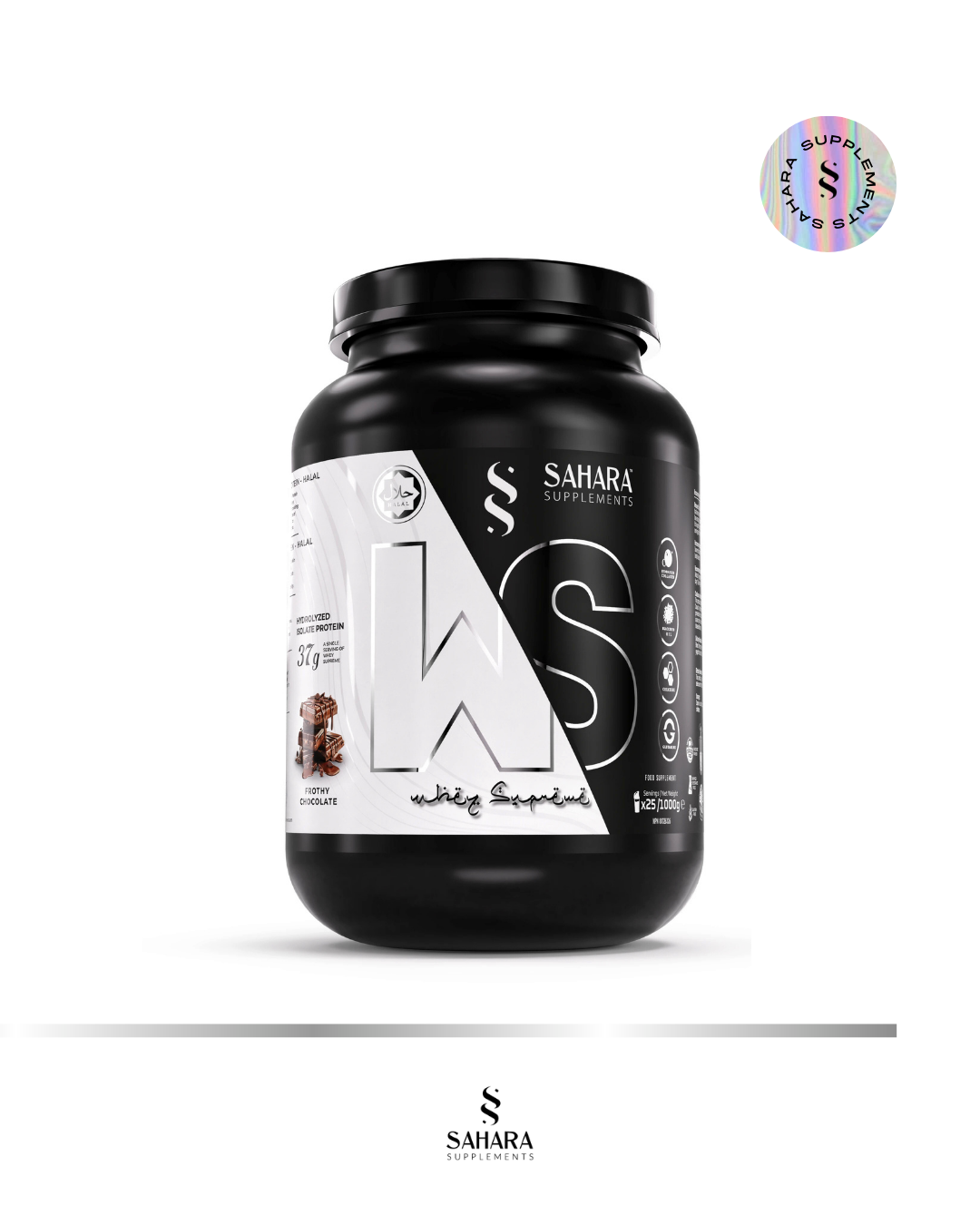
Most supplements target ONE aspect of skin health. Whey Supreme takes a comprehensive, multi-pathway approach by combining all three pillars in clinical doses.
Pillar #1: Gut Barrier Healing
Hero Ingredient: L-Glutamine (3.5g per serving)
Heals leaky gut by strengthening intestinal tight junctions
Prevents LPS translocation (the root driver of systemic inflammation)
Converts to glutathione (antioxidant protection for skin cells)
Result: Within 2-4 weeks, systemic inflammation decreases, and inflammatory skin conditions (acne, redness, eczema) begin resolving.
Pillar #2: Skin Structure Rebuilding
Hero Ingredient: Hydrolyzed Bovine Collagen (8g per serving)
Provides glycine, proline, and hydroxyproline (collagen's building blocks)
Stimulates fibroblast production of new collagen, elastin, and hyaluronic acid
Improves skin hydration, elasticity, and wrinkle depth over 8-12 weeks
Result: Skin becomes visibly smoother, firmer, and more radiant. Fine lines soften. Hydration improves.
Pillar #3: Systemic Inflammation Control
Hero Ingredient: Black Seed Oil Extract (670mg per serving)
Thymoquinone inhibits inflammatory pathways (COX-2, LOX, TNF-α, IL-6)
Reduces sebum overproduction and clogged pores driven by inflammation
Calms reactive skin, redness, and rosacea
Result: Skin becomes less reactive, redness fades, and inflammatory acne decreases.
Based on clinical research and customer feedback, here's the realistic timeline when using Whey Supreme:
Week 1-2: Gut Healing Begins
• Glutamine starts strengthening intestinal tight junctions
• Leaky gut begins reversing
• You might notice: less bloating, improved digestion, less post-meal fatigue
• Skin: No visible changes yet (this is internal repair)
Week 2-4: Inflammation Decreases
• LPS translocation reduces as gut barrier heals
• Black seed oil's anti-inflammatory effects kick in
• You might notice: fewer new breakouts, existing acne healing faster, less redness
• Skin: Early improvements in texture and tone
Week 4-6: Collagen Synthesis Ramps Up
• Hydrolyzed collagen peptides accumulate in skin
• Fibroblasts begin producing new collagen, elastin, hyaluronic acid
• You might notice: skin feels more hydrated, fine lines softening, "glow" returning
• Skin: Visible improvements in hydration and smoothness
Week 6-8: Full Gut-Skin Reset
• Gut microbiota rebalances
• Systemic inflammation at lowest point
• You might notice: clear, radiant skin; compliments from friends; confidence restored
• Skin: Dramatic improvements in acne, texture, tone, and elasticity
Week 8-12: Long-Term Skin Health Established
• Gut-skin axis fully optimized
• Chronic inflammatory conditions (eczema, rosacea) significantly improved or resolved
• You realize: your skin problem was never a skin problem—it was a gut problem all along
The key difference: Topical treatments mask symptoms for weeks. Gut healing resolves the root cause permanently.
For Muslim consumers seeking halal-certified wellness products, the options have been extremely limited—especially in sports nutrition and skin health supplementation.
Whey Supreme is ISNA halal-certified, covering:
Halal hydrolyzed whey isolate (per Islamic law)
Halal bovine collagen (ethical slaughter practices from grass-fed, humanely-raised cows)
Halal black seed oil (honoring 1,400 years of Islamic medicine tradition)
Supply chain transparency (full traceability from farm to finished product)
No cross-contamination (no pork derivatives, alcohol, or non-compliant additives)
Supplements work best as part of a comprehensive gut-skin healing strategy. Here are five research-backed tactics:
1. Adopt an Anti-Inflammatory Diet (Mediterranean-Style)
High-fiber foods (fruits, vegetables, legumes, nuts) support beneficial gut bacteria and SCFA production. Avoid high-sugar, high-dairy diets—both are linked to acne.
2. Manage Stress (Gut-Skin-HPA Axis)
Chronic stress dysregulates the HPA axis, triggering cortisol spikes that worsen acne. Daily stress management (meditation, breathwork, movement) supports both gut and skin health.
3. Prioritize Sleep (7-9 Hours Nightly)
Sleep deprivation disrupts gut microbiota and impairs skin barrier repair. Deep sleep is when skin cells regenerate and collagen synthesis peaks.
4. Avoid Gut-Damaging Foods & Additives
Emulsifiers (in processed foods and standard protein powders) damage gut microbiota. Seed oils, added sugars, and alcohol all promote dysbiosis and skin inflammation.
5. Consider Probiotic-Rich Foods
Fermented foods (yogurt, kefir, sauerkraut, kimchi) introduce beneficial bacteria that support gut-skin health. Pair with prebiotics (fiber) to feed these bacteria.
✅ You're a Good Candidate If:
• You have chronic acne (especially if topical treatments only work temporarily)
• You have gut symptoms alongside skin issues (bloating, irregular digestion, food sensitivities)
• Your acne appeared suddenly (after antibiotics, gut infection, dietary changes, or stress)
• You have inflammatory skin conditions (eczema, rosacea, psoriasis)
• Your skin is dull, dehydrated, or prematurely aging (despite expensive skincare routines)
• You've been diagnosed with leaky gut or dysbiosis (and your skin has suffered as a result)
• You're looking for halal-certified skin health support (religious compliance + premium quality)
⚠️ Consult a Healthcare Provider First If:
• You have severe cystic acne (may require medical intervention alongside gut healing)
• You have diagnosed IBD (Crohn's, ulcerative colitis—need medical supervision)
• You're on immunosuppressive medications (gut-targeted supplements may interact)
• Your skin condition is sudden and severe (may indicate allergic reaction or infection requiring diagnosis)
For decades, the beauty industry has sold us a lie: that skin problems are solved topically. Spend more. Exfoliate harder. Layer on more actives. Try this new miracle serum.
But here's what 2026 research confirms: your skin is a mirror of your internal health. When your gut is inflamed, your skin shows it. When your gut heals, your skin clears.
The gut-skin axis isn't a trend—it's a scientific revolution in dermatology. And the solution isn't more topical treatments—it's healing from the inside out.
Whey Supreme combines 3.5g of glutamine (to seal leaky gut), 8g of halal-certified collagen (to rebuild skin structure), and 670mg of black seed oil (to calm inflammation)—all in one serving. Plus 23g of clean, hydrolyzed whey protein with zero gut-damaging synthetic emulsifiers. Every ingredient, clinically dosed. Every batch, third-party tested. Every serving Health Canada Approved with NPN, and halal-certified for ethical sourcing.
Your acne isn't a skin problem. It's a gut problem. And gut problems have gut solutions.
Gut-skin axis mechanisms: Science Publishing Group, 2026; MDPI Applied Sciences, 2026
Acne and gut dysbiosis: Journal of Education, Health and Sport, 2025; Gut Microbiota for Health, 2024
Leaky gut and skin inflammation: International Journal of Molecular Medicine, 2025; Frontiers in Immunology, 2023
Reddit case studies: r/SkincareAddiction, r/Microbiome, 2023-2025
Glutamine for gut-skin health: Journal of Clinical Medicine, 2019
Collagen supplementation for skin: Nutrichem, 2025; Linus Pauling Institute, 2016
Black seed oil anti-inflammatory effects: Phytotherapy Research, 2021-2023
2026 gut-skin axis wellness trend: Global Wellness Institute, 2025; Healing Earth Global, 2026
This article is for informational purposes only and does not constitute medical advice. These statements have not been evaluated by the Food and Drug Administration. This product is not intended to diagnose, treat, cure, or prevent any disease. Always consult a healthcare provider before starting any new supplement regimen, especially if you have existing skin or digestive conditions or take medications.

