Cart
0
You may also like






If you've ever experienced chronic bloating, unexplained breakouts, brain fog after meals, or that uncomfortable feeling of a "heavy stomach" no matter what you eat, you're not dealing with bad luck—you're dealing with a compromised gut barrier. And in 2026, you're far from alone.
59% of consumers now rank gut health as "very important" to their overall wellness, making it the #2 global wellness trend this year. But here's what most people don't realize: your gut isn't just about digestion. It's the foundation of your immune system (70% of immune cells live there), the control center for your mental health (90% of serotonin is produced in your gut), and the root cause of chronic issues ranging from acne and eczema to joint pain and fatigue.
In this guide, we'll break down exactly what's happening when your gut is "leaky," why conventional approaches fail, and how a strategic combination of gut-healing nutrients—glutamine, black seed oil, and hydrolyzed protein—can restore your digestive health in 8-12 weeks.
What Is Gut Health? (And Why Everyone's Talking About It in 2026)
Your gut is a 30-foot-long tube that does far more than move food through your body. It's lined with a single-cell-thick epithelial barrier—imagine a border control system that decides what gets into your bloodstream and what stays out.
When this barrier is functioning properly:
Nutrients pass through into your bloodstream (good)
Toxins, bacteria, and undigested food particles stay out (good)
Your immune system stays calm (good)
Your brain gets clear signals from your gut (good)
But when this barrier breaks down—a condition called increased intestinal permeability or "leaky gut"—everything changes:
LPS (lipopolysaccharide, a bacterial toxin) enters your bloodstream, triggering systemic inflammation
Undigested food particles provoke immune reactions (hello, food sensitivities)
Your gut microbiome shifts from beneficial bacteria (Bifidobacterium, Lactobacillus) to pathogenic bacteria (Bacteroides fragilis, E. coli)
Chronic inflammation spreads throughout your body, manifesting as skin issues, brain fog, fatigue, joint pain, and mood disorders

The 9 Signs Your Gut Is "Leaky" (How Many Do You Have?)
Digestive Symptoms
Chronic bloating (especially after meals)
Gas and discomfort (feeling like food "sits heavy")
Diarrhea or constipation (or alternating between both—classic IBS)
Food sensitivities (foods that "never used to bother you" now trigger symptoms)
Systemic Symptoms
Skin issues (acne, eczema, rosacea, dull skin—the "gut-skin axis")
Brain fog and difficulty concentrating (the "gut-brain axis")
Chronic fatigue (despite adequate sleep)
Mood imbalances (anxiety, depression)
Joint pain or autoimmune conditions (Hashimoto's, rheumatoid arthritis)
If you checked 3 or more, your gut barrier is likely compromised. The good news? It's repairable.
Who Gets Gut Issues? (Spoiler: It's Not Just "Sensitive Stomachs")
The Athletes
Heavy training doesn't just stress your muscles—it stresses your gut. Exercise-induced intestinal permeability is a well-documented phenomenon: when you train hard, blood diverts from your digestive system to your working muscles, temporarily weakening your gut barrier.
Add in protein shakes with emulsifiers (polysorbate 80, carboxymethylcellulose), NSAIDs for pain management, and inadequate recovery nutrition, and you've got a recipe for chronic gut issues. Reddit forums are full of athletes asking: "Why does protein powder bloat me?" or "Can't digest food after hard workouts—normal?"
The answer: your gut barrier is damaged, and standard whey concentrate with additives makes it worse.
The Women 40+
Hormonal changes during perimenopause and menopause don't just affect your joints and skin—they dramatically impact your gut. Estrogen supports gut barrier integrity and microbial diversity. When estrogen drops, you lose both.
94% of midlife women report digestive symptoms; 77% report bloating. This isn't "just aging"—it's a direct consequence of hormonal shifts weakening your gut lining.
The Wellness Seekers with "Mystery Symptoms"
You've tried everything. Clean eating. Elimination diets. Probiotics. Topical skincare for your breakouts. Therapy for your anxiety. And yet: the bloating persists, the skin flares continue, the brain fog lingers.
Sound familiar? You're not crazy, and you're not "high-maintenance." You have leaky gut—and until you seal that barrier, no amount of surface-level interventions will work.
The IBS Sufferers
11.2% of the global population has IBS. In North America, that's over 40 million people. And here's what research shows: abdominal bloating is the most bothersome symptom in IBS-C (IBS with constipation)—ranking above pain in terms of life impact.
The conventional medical approach? Eliminate FODMAPs, manage symptoms with fiber or laxatives, and "learn to live with it." But this doesn't address the root cause: dysbiosis and intestinal permeability.
What Causes Leaky Gut? (The 7 Primary Culprits)
1. Standard Protein Powders with Additives
Most whey concentrates contain emulsifiers (polysorbate 80, carboxymethyl cellulose, guar gum) that directly damage your gut lining. A 2023 study found that emulsifiers alter gut microbiota composition, reduce mucus thickness, and increase intestinal permeability.
Translation: Your post-workout shake might be sabotaging your gut health.
2. Chronic Stress
When you're stressed, cortisol floods your system. Elevated cortisol damages tight junction proteins (the "seals" between intestinal cells), literally opening gaps in your gut barrier.
3. NSAIDs (Ibuprofen, Naproxen)
Athletes and chronic pain sufferers: NSAIDs erode the intestinal mucosa (protective lining). Long-term use = guaranteed intestinal permeability.
4. Dysbiosis (Imbalanced Gut Microbiome)
When pathogenic bacteria outnumber beneficial bacteria, they produce LPS (lipopolysaccharide)—a toxin that directly triggers inflammation and damages the gut barrier.
5. Alcohol
Even moderate alcohol consumption increases intestinal permeability within hours.
6. High-Sugar, Refined-Carb Diets
Sugar feeds pathogenic bacteria. The more you feed them, the more they proliferate, the more LPS they produce, the leakier your gut becomes.
7. Antibiotic Use
Antibiotics don't discriminate—they wipe out beneficial bacteria along with pathogens. Post-antibiotic dysbiosis can last months to years if not addressed.

The Gut-Skin Axis: Why Your Breakouts Start in Your Gut
This is 2026's #1 beauty trend—and for good reason.
Your skin is a "mirror" of your internal health. When your gut barrier is compromised, here's what happens:
Step 1: Leaky Gut → LPS Enters Bloodstream
LPS (lipopolysaccharide from gram-negative bacteria) crosses your damaged gut barrier and enters your bloodstream.
Step 2: LPS Triggers Systemic Inflammation
LPS activates your immune system, triggering pro-inflammatory cytokines (TNF-α, IL-6, IL-1β). This inflammation circulates throughout your body.
Step 3: Inflammation Manifests in Your Skin
Inflammatory cytokines stimulate sebaceous glands (acne), disrupt skin barrier function (eczema, rosacea), and impair collagen synthesis (dull, aging skin).
Step 4: Topical Skincare Fails
You try every serum, every cleanser, every treatment—and nothing works. Why? Because the root cause is internal, not external.
The Solution: Seal the gut → reduce inflammation → clear skin follows.
Reddit is full of testimonials: "I fixed my leaky gut with diet + supplements, and my acne cleared for the first time in 10 years". This isn't anecdotal magic—it's the gut-skin axis in action.
The Gut-Brain Axis: Why Brain Fog and Anxiety Start in Your Gut
90% of serotonin (your "happiness neurotransmitter") is produced in your gut, not your brain.
When your gut microbiome is imbalanced:
Serotonin production drops → mood disorders (anxiety, depression)
Short-chain fatty acid (SCFA) production drops → brain fog, cognitive dysfunction
LPS crosses the blood-brain barrier → neuroinflammation → difficulty concentrating
A 2025 study found that patients with IBS report significantly higher anxiety levels than controls—and the degree of anxiety correlates directly with the severity of bloating and abdominal discomfort.
The takeaway: Your mental health isn't "all in your head." It's in your gut.
What People Try (And Why It Usually Doesn't Work)
❌ Probiotics Alone
The Promise: Restore beneficial bacteria, reduce symptoms
The Reality: Probiotics can help, but if your gut lining is still damaged, you're pouring beneficial bacteria into a leaky bucket. The barrier must be sealed first.
❌ Elimination Diets (Low-FODMAP, Gluten-Free)
The Promise: Identify trigger foods, reduce symptoms
The Reality: Elimination diets reduce symptoms temporarily but don't heal the gut lining. Plus, restrictive diets reduce microbial diversity, making dysbiosis worse long-term.
❌ Digestive Enzymes
The Promise: Help break down food, reduce bloating
The Reality: Enzymes address the symptom (undigested food) but not the cause (damaged gut barrier).
❌ "Just Drink More Water" or "Eat More Fiber"
The Promise: Improve digestion
The Reality: If your gut lining is inflamed and your microbiome is imbalanced, adding fiber can worsen bloating by feeding pathogenic bacteria.
The Science-Backed Solution: How to Heal Leaky Gut
Ingredient #1: L-Glutamine (The Gut Barrier Healer)
What It Is:
Glutamine is the most abundant amino acid in your plasma and the primary fuel source for your intestinal cells (enterocytes).
How It Works:
Strengthens tight junctions: Glutamine upregulates tight junction proteins (occludin, claudin, ZO-1), sealing the gaps in your gut lining
Reduces intestinal permeability: A 2024 meta-analysis found that glutamine supplementation at doses >30g/day for <2 weeks significantly reduces intestinal permeability
Supports mucosa healing: Glutamine promotes enterocyte proliferation, repairing damaged intestinal lining
Reduces systemic inflammation: By sealing the gut, glutamine prevents LPS from entering the bloodstream
The Clinical Evidence:
Dose: 30g+ per day shows statistically significant reduction in intestinal permeability
Duration: Effects begin within 8-14 days[web:404]
Mechanism: Prevents villus atrophy, maintains tight junction expression, reduces LPS translocation
Why It Matters:
Depletion of glutamine results in villus atrophy (flattening of intestinal villi), decreased tight junction protein expression, and increased intestinal permeability. Supplementation reverses all three.
Consumer Reality:
Standard glutamine supplements require 30g+ per day (that's 6-8 large scoops). Whey Supreme provides 3.5g per serving—enough to support gut health when combined with other gut-healing ingredients, without requiring massive doses.
Ingredient #2: Black Seed Oil Extract (The Anti-Inflammatory Powerhouse)
What It Is:
Black seed oil (Nigella sativa) contains thymoquinone, a bioactive compound with potent anti-inflammatory, antimicrobial, and immunomodulatory properties.
How It Works:
Reduces GI inflammation: Thymoquinone inhibits COX-2 and LOX enzymes (the same targets as NSAIDs) without damaging the gut lining
Suppresses pro-inflammatory cytokines: Reduces TNF-α, IL-6, and IL-1β—the inflammatory molecules that drive gut-skin and gut-brain axis dysfunction
Antimicrobial effects: Combats pathogenic bacteria, fungi, and parasites that contribute to dysbiosis
Soothes the stomach lining: Reduces discomfort, bloating, and IBS symptoms
The Clinical Evidence:
A 2021 animal study found thymoquinone significantly reduced symptoms of colitis (inflammatory bowel condition)
Black seed oil inhibits Helicobacter pylori growth (the bacterium linked to stomach ulcers)
Multiple studies show black seed oil reduces bloating and discomfort in IBS patients
Why It Matters:
Chronic gut inflammation drives leaky gut, skin breakouts, brain fog, and systemic inflammation. Thymoquinone addresses inflammation at the source—without the side effects of NSAIDs.
Cultural + Ethical Note:
Black seed has been used in Islamic medicine for centuries (Prophet Muhammad PBUH reportedly said "black seed cures every disease except death"). Whey Supreme uses halal-certified ingredients, ensuring quality, ethical sourcing, and religious alignment for Muslim consumers.
Ingredient #3: Hydrolyzed Whey Protein Isolate (The Microbiome Supporter)
What It Is:
Whey protein isn't just for muscle—it's a powerful gut health supporter when in the right form.
How It Works:
Supports beneficial bacteria: Whey contains bioactive compounds (lactoferrin, immunoglobulins, glycomacropeptide) that promote the growth of Bifidobacterium and Lactobacillus—the "good" bacteria
Prebiotic properties: Glycomacropeptide (GMP) in whey stimulates beneficial bacteria growth and prevents pathogenic bacteria from adhering to the gut lining
Strengthens intestinal barrier: Whey proteins support tight junction integrity and reduce inflammation
No additives = no damage: Standard whey concentrates contain emulsifiers that damage the gut. Hydrolyzed whey isolate with zero additives supports, rather than sabotages, gut health
The Clinical Evidence:
A 2026 study found whey proteins modulate gut microbiota by promoting beneficial bacteria while suppressing pathogens, enhancing short-chain fatty acid production and strengthening intestinal barrier integrity
Hydrolyzed whey increases Bifidobacterium and Lactobacillus abundance while decreasing harmful bacteria
Why Hydrolyzed Matters:
Standard whey concentrate can cause bloating because intact proteins require extensive enzymatic breakdown. Hydrolyzed whey is pre-digested into peptides, absorbing in 30-60 minutes with minimal digestive stress.
For Athletes:
Exercise-induced intestinal permeability is real. Hydrolyzed whey doesn't aggravate an already-compromised gut barrier—it supports it.
Ingredient #4: Hydrolyzed Bovine Collagen (The Gut Lining Rebuilder)
What It Is:
Collagen isn't just for joints and skin—it's a structural protein in your intestinal lining.
How It Works:
Rebuilds intestinal mucosa: Collagen peptides provide the amino acid building blocks (glycine, proline, hydroxyproline) needed to repair damaged gut tissue
Reduces inflammation: Collagen has anti-inflammatory effects, calming an irritated gut lining
Supports gut-skin axis: By healing the gut, collagen indirectly improves skin health (the inside-out approach)
Why Halal-Certified Matters:
Most collagen supplements use pork gelatin or non-halal bovine sources. Whey Supreme uses ISNA-certified halal bovine collagen from grass-fed, humanely-raised cows—meeting Islamic dietary requirements while ensuring premium quality for all consumers.
Ingredient #5: Creatine Monohydrate (The Cellular Energy Supporter)
What It Is:
Creatine supports ATP production—cellular energy that your gut cells need to maintain barrier function and repair damage.
How It Works:
Provides energy substrate for enterocyte (intestinal cell) turnover and repair
Supports immune cell function in the gut (70% of your immune system lives there)
Enhances recovery from exercise-induced intestinal permeability
Why This Combination Works (The Synergy Effect)
Here's what makes Whey Supreme different from standalone gut health supplements:
Glutamine alone = seals the gut lining
Glutamine + Black Seed Oil = seals the lining + reduces inflammation
Glutamine + Black Seed Oil + Hydrolyzed Whey = seals + reduces inflammation + supports beneficial bacteria
Glutamine + Black Seed Oil + Hydrolyzed Whey + Collagen = comprehensive gut barrier repair
Glutamine + Black Seed Oil + Hydrolyzed Whey + Collagen + Creatine = full-spectrum gut healing + cellular energy support
The result: You're not masking symptoms—you're rebuilding your gut barrier from the ground up.
Your 8-12 Week Gut Healing Timeline (What to Expect)
Based on clinical research and customer feedback:
Weeks 1-2: Inflammation Begins to Decrease
• Glutamine starts strengthening tight junctions
• Black seed oil reduces inflammatory cytokines
• You may notice: slightly less bloating, especially after meals
Weeks 3-4: Bloating Improves
• Gut lining is healing
• Beneficial bacteria (from hydrolyzed whey support) begin to recolonize
• You may notice: less "heavy stomach" feeling, reduced gas
Weeks 5-8: Systemic Symptoms Start Clearing
• Gut-skin axis calms: breakouts reduce, skin texture improves
• Gut-brain axis calms: brain fog lifts, mood stabilizes
• You may notice: better energy, clearer thinking, fewer food sensitivities
Weeks 9-12: Full Gut Barrier Restoration
• Tight junctions fully repaired
• Microbiome diversity restored
• LPS translocation stopped
• You may notice: consistent energy, clear skin, no bloating, improved mood, foods you couldn't tolerate are now fine
Post-12 Weeks: Maintenance Mode
• Continue daily supplementation to maintain gut health
• Reintroduce foods slowly to test tolerance
• Benefits persist as long as gut-supporting habits continue
Who Should (and Shouldn't) Focus on Gut Healing
✅ You're a Good Candidate If:
• You have chronic bloating or IBS (abdominal pain, diarrhea, constipation)
• You have skin issues (acne, eczema, rosacea) that don't respond to topicals
• You experience brain fog, fatigue, or mood swings (gut-brain axis dysfunction)
• You're an athlete with digestive issues (exercise-induced intestinal permeability)
• You have food sensitivities that weren't present before
• You've taken antibiotics recently (post-antibiotic dysbiosis)
• You're a woman 40+ (estrogen decline = weakened gut barrier)
⚠️ Consult a Doctor First If:
• You have severe, persistent abdominal pain (may require medical diagnosis)
• You have IBD (Crohn's disease, ulcerative colitis) (gut healing supplements may help, but need medical supervision)
• You're on immunosuppressants or chemotherapy (immune function changes require medical oversight)
• You have blood in your stool or unexplained weight loss (requires immediate medical evaluation)
Beyond Supplementation: 5 Lifestyle Factors That Amplify Gut Healing
Supplements work best as part of a comprehensive approach:
1. Remove Gut Irritants
• Eliminate emulsifiers: check your protein powder, yogurt, ice cream, processed foods
• Reduce NSAIDs: use only when absolutely necessary
• Remove alcohol: even moderate consumption damages gut lining
2. Eat Gut-Supporting Foods
• Prebiotic fiber: Garlic, onions, asparagus, bananas (feeds beneficial bacteria)
• Fermented foods: Sauerkraut, kimchi, kefir (provides probiotics)
• Bone broth: Rich in collagen and glutamine
• Omega-3 fatty acids: Salmon, sardines, walnuts (anti-inflammatory)
3. Manage Stress
• Chronic stress = elevated cortisol = damaged tight junctions
• Practices: meditation, yoga, deep breathing, therapy
• Even 10 minutes daily makes a difference
4. Prioritize Sleep
• Gut barrier repair happens during sleep
• Aim for 7-9 hours per night
• Poor sleep = increased intestinal permeability (proven in studies)
5. Avoid Over-Restricting Your Diet
• Low-FODMAP diets reduce symptoms but decrease microbial diversity long-term
• Heal your gut, then slowly reintroduce foods
• Goal: maximize food variety once gut is healed
The Cost of Ignoring Gut Health (Why Waiting Makes It Worse)
Leaky gut is cumulative. The longer you ignore it, the more damage accumulates:
Early Stage (Mild Symptoms):
• Occasional bloating, mild breakouts, slight fatigue
• Gut healing supplements + lifestyle changes = high success rate
• Timeline to recovery: 8-12 weeks
Moderate Stage (Chronic Symptoms):
• Daily bloating, IBS diagnosis, persistent skin issues, brain fog
• Gut healing requires more intensive approach (supplements + elimination diet + stress management)
• Timeline to recovery: 12-16 weeks
Advanced Stage (Systemic Dysfunction):
• Autoimmune conditions, severe IBS/IBD, chronic fatigue syndrome, multiple food sensitivities
• Gut healing still possible but requires medical supervision + comprehensive protocol
• Timeline to recovery: 6-12 months
Bottom Line: The best time to heal your gut is now—before symptoms escalate.
Final Thoughts: Your Gut Is Your Foundation
Your gut isn't just a "stomach issue." It's the command center for your immune system, the production facility for your neurotransmitters, and the gatekeeper for every nutrient you consume.
When your gut is compromised, everything downstream suffers: your skin, your brain, your joints, your energy, your mood. And here's the frustrating part: topical skincare won't fix gut-driven breakouts. Therapy won't fix gut-driven anxiety. Joint supplements won't fix gut-driven inflammation.
You have to go to the source.
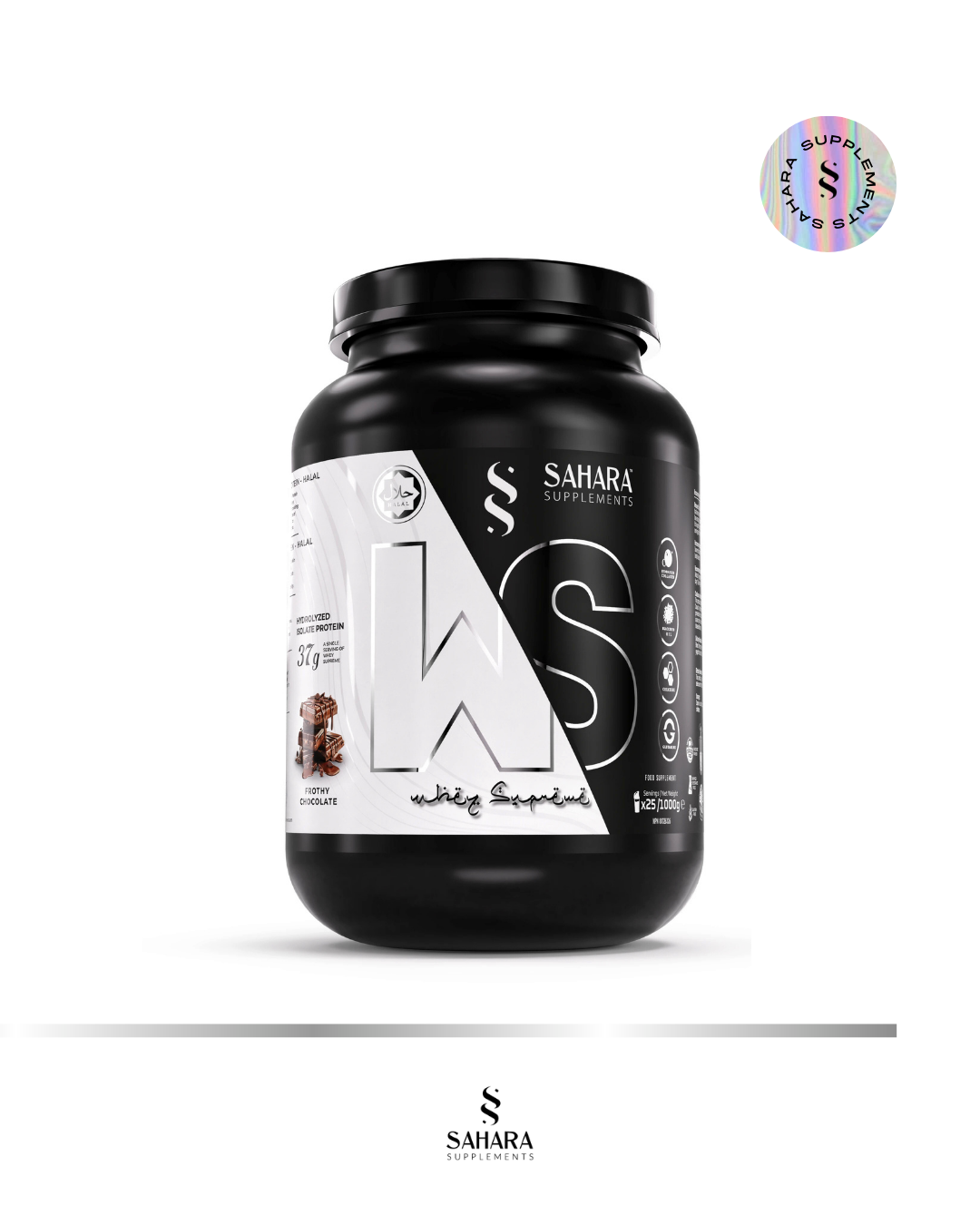
Whey Supreme isn't just a protein powder—it's a comprehensive gut healing system. 3.5g of L-glutamine to seal your gut lining. 670mg of black seed oil extract to calm inflammation. 23g of hydrolyzed whey isolate (with zero additives) to support beneficial bacteria. 8g of halal-certified collagen to rebuild your intestinal mucosa. Every ingredient, clinically dosed. Every batch, third-party tested (Informed Choice Certified). Every serving Health Canada Approved, formulated to heal your gut from the inside out.
Your gut has carried you this far. It's time to give it the support it needs to carry you further.
References
Gut health as #2 global wellness trend: Wellness Industry Reports, 2026
IBS global prevalence: Patients' Perspectives on IBS, 2023
Glutamine and intestinal permeability meta-analysis: Journal of Amino Acids, 2024
Black seed oil (thymoquinone) anti-inflammatory effects: Phytotherapy Research, 2021-2023
Whey protein and gut microbiome modulation: Nexus of Whey Proteins, Gut Dysbiosis, and Colonic Health, 2026
Emulsifiers and gut barrier damage: Microbiome Journal, 2023
Gut-skin axis: Dermatology Research, 2025-2026
Exercise-induced intestinal permeability: Sports Medicine Journal, 2023
This article is for informational purposes only and does not constitute medical advice. These statements have not been evaluated by the Food and Drug Administration. This product is not intended to diagnose, treat, cure, or prevent any disease. Always consult a healthcare provider before starting any new supplement regimen, especially if you have existing health conditions or take medications.

