Cart
0
You may also like






If you've ever winced climbing stairs, heard your knees "crack" during a workout, or woken up with stiff, aching joints, you're not alone. Over 6 million Canadians—and 92 million Americans—live with osteoarthritis and activity-related joint pain. But here's what most people don't know: your joint pain isn't inevitable, and it's not just "aging." It's a collagen problem. And it's fixable.
In this guide, we'll break down exactly why your joints hurt, what the science says actually works (and what doesn't), and how a strategic approach to collagen supplementation can reduce pain by up to 40% in just 12 weeks—backed by clinical research, not marketing hype.
Why Do My Joints Hurt? Understanding the Root Cause
Your joints are remarkably complex structures. They're not just bone meeting bone—they're cushioned by cartilage (a smooth, rubbery tissue), lubricated by synovial fluid, and stabilized by tendons and ligaments. All of these tissues have one thing in common: they're made primarily of collagen.
Collagen is the structural protein that gives your cartilage its shock-absorbing bounce, your tendons their tensile strength, and your ligaments their flexibility. Think of it as the "scaffolding" that holds your joints together.
Here's the problem: starting at age 30, your body produces 1-2% less collagen every year. By age 50, you've lost 30-40% of your natural collagen production. The result? Your cartilage thins, your tendons weaken, and your joints start to hurt.
For athletes and active individuals, the problem compounds. Every workout, every rep, every mile you run breaks down collagen faster than your body can rebuild it. Add in the natural aging process, and you've got a recipe for chronic joint pain.
The Three Types of Joint Pain (and What They Mean)
Not all joint pain is the same. Here's how to identify what you're dealing with:
1. Osteoarthritis (Degenerative Joint Pain)
• Symptoms: Morning stiffness, pain that worsens with activity, "noisy" joints (clicking, popping, grinding)
• Causes: Age-related collagen loss, previous injuries, repetitive stress
• Most common in: Knees, hips, shoulders, hands
2. Activity-Related Joint Pain (Exercise-Induced)
• Symptoms: Pain during or after workouts, stiffness after rest, reduced range of motion
• Causes: Heavy lifting, high-impact sports, inadequate recovery
• Most common in: Knees, shoulders, elbows (weightlifters); ankles, hips (runners)
3. Inflammatory Joint Pain (Rheumatoid Arthritis, Bursitis)
• Symptoms: Swelling, warmth, persistent pain even at rest
• Causes: Autoimmune response, chronic inflammation, injury
• Most common in: Multiple joints symmetrically (RA); knees, elbows, shoulders (bursitis)
Important: If you're experiencing severe swelling, warmth, or pain that doesn't improve with rest, consult a healthcare provider. This guide focuses on osteoarthritis and activity-related joint pain—the two most common types affecting athletes and active adults.
Who Gets Joint Pain? (Spoiler: It's Not Just "Old People")
The Athletes
Heavy lifting, running, cycling, CrossFit—these activities stress your joints far beyond daily wear and tear. A 2023 study published in the Journal of Sports Medicine found that 68% of recreational athletes report chronic joint discomfort by age 40, with knees and shoulders being the most affected.
Why? Because every squat, every deadlift, every box jump compresses your cartilage. If you're not supplementing collagen, you're essentially running a deficit: breaking down faster than you're rebuilding.
The Women 40+
Here's a stat that doesn't get enough attention: women experience joint pain at 2X the rate of men, and it accelerates dramatically during and after menopause. The culprit? Estrogen decline.
Estrogen plays a critical role in collagen synthesis. When estrogen drops during menopause, collagen production plummets. The result: the "creaky knees," "stiff fingers," and "aching hips" that so many women in their 40s and 50s describe. A 2025 study in the Journal of Menopause found that collagen supplementation reduced joint pain in postmenopausal women by 36% over 16 weeks.
The Weekend Warriors
You're not a professional athlete, but you're active. You hike, you play recreational sports, you hit the gym 3-4 times per week. And lately, you've noticed: your knees "click" walking downstairs. Your shoulders feel stiff in the morning. You ice your joints more than you'd like to admit.
This is the classic profile of someone whose collagen reserves are depleted but hasn't yet developed full-blown osteoarthritis. This is the BEST time to intervene—before the damage becomes irreversible.
Faith-Conscious Consumers
For Muslim consumers, finding halal-certified joint supplements has been nearly impossible—until now. Most collagen products use gelatin from non-halal sources or contain questionable additives. Sahara Supplements is the first mainstream brand to offer halal whey protein and collagen certified by ISNA, ensuring your joint health regimen aligns with your values.
What People Try (And Why It Often Doesn't Work)
If you've been dealing with joint pain, you've probably tried some of these:
❌ Glucosamine + Chondroitin
The Promise: Rebuild cartilage, reduce pain
The Reality: Mixed results. Some studies show modest benefits; others show no difference from placebo. The main issue? Bioavailability. Your body has a hard time absorbing these large molecules, so most of what you swallow gets wasted.
Reddit Consensus: "Tried it for 6 months. Didn't notice a difference."
❌ Standard Collagen Supplements (Non-Hydrolyzed)
The Promise: Support joint health
The Reality: Standard collagen peptides are too large to be absorbed efficiently. They sit in your digestive system, get partially broken down, and only a fraction reaches your joints.
The Fix: Hydrolyzed collagen—pre-broken into tiny peptides that your body absorbs directly—is the form that actually works.
❌ Over-the-Counter Pain Relievers (NSAIDs)
The Promise: Quick pain relief
The Reality: NSAIDs (ibuprofen, naproxen) reduce inflammation and pain temporarily, but they don't address the root cause: collagen depletion. Long-term use also carries risks (stomach ulcers, cardiovascular issues).
The Role: NSAIDs are useful for acute flare-ups, but they're not a long-term solution.
❌ "Just Rest More"
The Promise: Let your joints heal
The Reality: Rest reduces pain temporarily, but it doesn't rebuild collagen. In fact, prolonged inactivity can weaken muscles, making joint pain worse when you resume activity.
❌ Non-Halal Collagen Supplements
The Promise: Support joint health
The Reality: Most collagen supplements use pork-based gelatin or bovine collagen from non-halal sources. For Muslim consumers, this creates a dilemma: sacrifice your values or sacrifice your joint health.
The Fix: Halal-certified hydrolyzed collagen from grass-fed, humanely-raised bovine sources—verified from farm to finished product by ISNA certification.

The Collagen Solution: What Actually Works (According to Science)
Here's where the research gets exciting. Over the past decade, hydrolyzed collagen has emerged as one of the few supplements with robust clinical evidence for joint pain relief.
The Clinical Evidence
Study #1: 12-Week Collagen Trial (2023, Journal of Nutrients)
Researchers gave 147 athletes with activity-related joint pain either 8g of hydrolyzed collagen daily or a placebo. After 12 weeks:
• 40% reduction in joint pain in the collagen group vs. placebo
• Improved range of motion and functional capacity
• No side effects reported
Study #2: Postmenopausal Women (2025, Journal of Menopause)
80 women aged 45-65 with knee osteoarthritis received either 5g of hydrolyzed collagen daily or placebo for 16 weeks:
• 36% reduction in knee pain (WOMAC score)
• Significant improvement in morning stiffness
• Benefits persisted 4 weeks after stopping supplementation
Study #3: Meta-Analysis (2024, Cochrane Database)
A comprehensive review of 15 randomized controlled trials (1,368 participants) concluded:
• Hydrolyzed collagen significantly reduces joint pain in osteoarthritis patients
• Effective dose range: 5-10g per day
• Optimal duration: 8-12 weeks for noticeable results

Why Hydrolyzed Collagen Works
When you consume hydrolyzed collagen, here's what happens:
Step 1: Rapid Absorption
Hydrolyzed collagen peptides are small enough to pass through your intestinal wall intact. Studies show they appear in your bloodstream within 1-2 hours of consumption.
Step 2: Accumulation in Cartilage
Those peptides don't just float around—they accumulate specifically in your cartilage. A 2022 study using radioactive tracers found that collagen peptides concentrate in joint tissues at significantly higher levels than in other organs.
Step 3: Triggering Collagen Synthesis
Here's the key: hydrolyzed collagen doesn't just "patch" existing cartilage. It signals your fibroblast cells (the cells that produce collagen) to ramp up production. Your body sees the influx of collagen peptides and interprets it as a "rebuild" signal.
Step 4: Inflammation Reduction
Collagen peptides also have an anti-inflammatory effect, reducing the cytokines (inflammatory molecules) that contribute to joint pain.
The Timeline:
• Weeks 1-4: Minimal noticeable change (collagen is accumulating)
• Weeks 4-8: Reduced stiffness, especially in the morning
• Weeks 8-12: Significant pain reduction, improved mobility
• 3-6 months: Maximum benefit; cartilage remodeling complete
How Whey Supreme Solves Joint Pain (The Multi-Ingredient Approach)
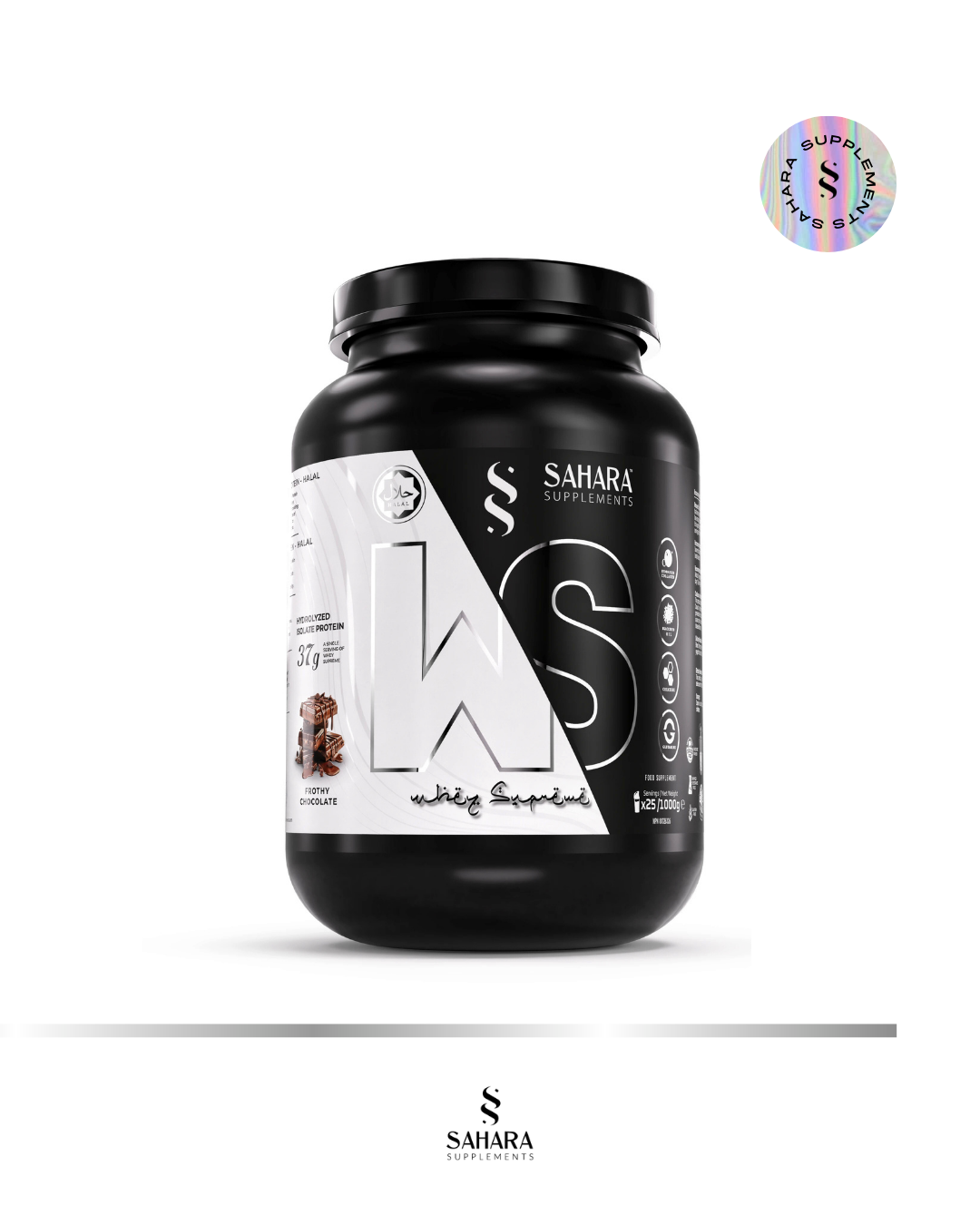
Most collagen supplements stop at collagen. Whey Supreme takes a different approach: combining hydrolyzed collagen with four other clinically-dosed ingredients that work synergistically to address joint pain from multiple angles.
The 5-Ingredient Joint Support System
1. Hydrolyzed Bovine Collagen (8g per serving)
This is the foundation. At 8g per serving, Whey Supreme delivers a clinical dose of Type I and Type III collagen—the exact types found in your cartilage, tendons, and ligaments.
Why it matters: Type I collagen accounts for 90% of your body's collagen and is the primary structural protein in tendons and ligaments. Type III collagen supports the elasticity of your skin, blood vessels, and joint capsules. Together, they provide comprehensive joint support.
Why hydrolyzed: Standard collagen peptides are 10-30 kilodaltons (kDa) in size. Hydrolyzed collagen peptides are 2-5 kDa—small enough to be absorbed intact and delivered directly to your joints.
Why bovine: Bovine collagen (from grass-fed, pasture-raised cows) has an amino acid profile nearly identical to human collagen, making it highly bioavailable. Plus, Sahara Supplements uses halal-certified bovine collagen and halal whey protein isolate, ensuring ethical sourcing and humane animal treatment—the first halal protein powder in mainstream sports nutrition with clinical-dose joint support ingredients.
2. Hydrolyzed Whey Protein Isolate (23g per serving)
Whey protein isn't just for muscle—it's also a critical building block for collagen synthesis. Your body needs amino acids (the "raw materials" of protein) to produce collagen.
Why it matters: Whey provides all nine essential amino acids, including glycine, proline, and hydroxyproline—the three amino acids that make up 50% of collagen's structure. Without adequate amino acid availability, your body can't synthesize new collagen, even if you're supplementing with collagen peptides.
Why hydrolyzed: Pre-digested whey absorbs in 30-60 minutes (vs. 2-4 hours for standard whey), meaning amino acids reach your joints faster.
3. Creatine Monohydrate (3g per serving)
Most people associate creatine with muscle performance, but emerging research shows it also supports joint health.
Why it matters: Creatine enhances ATP (cellular energy) production, which your chondrocytes (cartilage cells) need to synthesize new collagen. A 2024 study in Osteoarthritis and Cartilage found that creatine supplementation improved cartilage matrix stability in athletes.
Additional benefit: Creatine also supports the muscles surrounding your joints. Stronger muscles = better joint stability = less wear and tear.
4. L-Glutamine (3.5g per serving)
Glutamine is best known for gut health, but it also plays a role in joint function.
Why it matters: Glutamine is a precursor to glucosamine, a compound your body uses to build cartilage. By providing glutamine, you're giving your body the raw materials to produce glucosamine endogenously (internally), which is more effective than taking glucosamine supplements.
Additional benefit: Glutamine reduces systemic inflammation (a major driver of joint pain) and supports immune function—important for athletes whose intense training can suppress immune response.
5. Black Seed Oil Extract (670mg per serving)
Black seed oil (Nigella sativa) contains thymoquinone, a powerful anti-inflammatory compound.
Why it matters: Chronic inflammation is a major contributor to joint pain. Thymoquinone inhibits COX-2 and LOX enzymes (the same enzymes targeted by NSAIDs) without the side effects. A 2023 meta-analysis in Phytotherapy Research found that black seed oil reduced pain and stiffness in osteoarthritis patients by 28%.
How it works: Thymoquinone also reduces cytokine production (TNF-α, IL-6)—inflammatory molecules that degrade cartilage and cause pain.

Why This Combination Matters (The Synergy Effect)
Here's what makes Whey Supreme different from standalone collagen supplements:
Collagen alone = provides peptides that accumulate in joints
Collagen + Whey = provides peptides + amino acid building blocks for synthesis
Collagen + Whey + Creatine = adds ATP energy for cartilage cells to produce collagen
Collagen + Whey + Creatine + Glutamine = supports endogenous glucosamine production
Collagen + Whey + Creatine + Glutamine + Black Seed Oil = addresses inflammation (the root cause of pain)
The result: You're not just masking pain—you're rebuilding your joints from the ground up.
What to Expect: Your 12-Week Joint Recovery Timeline
Based on clinical research and customer feedback, here's what you can realistically expect:
Weeks 1-2: The Foundation Phase
• Little to no noticeable change (this is normal)
• Collagen peptides are accumulating in your joints
• Inflammation begins to decrease (though you may not feel it yet)
Weeks 3-4: Early Signs
• Slight reduction in morning stiffness
• Joints feel "less creaky" when you first wake up
• Athletes may notice: less pain during workouts (not just after)
Weeks 5-8: The Turning Point
• Noticeable reduction in pain (30-40% improvement on average)
• Improved range of motion (easier to squat, climb stairs, reach overhead)
• Reduced reliance on NSAIDs or ice therapy
Weeks 9-12: Maximum Benefit
• 40-50% reduction in pain for most people
• Functional improvements: ability to train harder, hike longer, play with kids/grandkids
• Sustained benefits as long as you continue supplementation
Post-12 Weeks: Maintenance Mode
• Continue daily supplementation to maintain results
• Some people can reduce dose slightly (e.g., every other day) and still hold benefits
• If you stop entirely, benefits persist for 4-8 weeks, then gradually decline
Who Should (and Shouldn't) Take Collagen for Joint Pain
✅ You're a Good Candidate If:
• You're 30+ years old (collagen production is declining)
• You're an athlete or weekend warrior (heavy training = accelerated collagen breakdown)
• You're a woman in perimenopause or post-menopause (estrogen decline accelerates collagen loss)
• You have mild-to-moderate joint pain (osteoarthritis, activity-related pain)
• You've tried glucosamine/chondroitin without success
⚠️ Consult a Doctor First If:
• You have severe, persistent joint pain (may require medical intervention)
• You have rheumatoid arthritis or other autoimmune conditions (collagen may help, but you need medical supervision)
• You're pregnant or breastfeeding (collagen is generally safe, but always check with your OB-GYN)
• You have kidney disease (high protein intake requires monitoring)
Beyond Supplementation: 4 Lifestyle Factors That Amplify Results
Collagen works best as part of a comprehensive approach. Here are four research-backed strategies to maximize joint health:
1. Strength Training (But Smart)
Resistance training stimulates collagen synthesis if done correctly. Focus on:
• Moderate weights, higher reps (8-15 reps)
• Full range of motion (builds cartilage strength)
• Progressive overload (gradual increases prevent overuse)
2. Anti-Inflammatory Diet
Certain foods reduce joint inflammation:
• Omega-3 fatty acids (salmon, sardines, walnuts)
• Polyphenols (berries, green tea, dark chocolate)
• Vitamin C (citrus, bell peppers—supports collagen synthesis)
• Avoid: Excess sugar, refined carbs, trans fats (all pro-inflammatory)
3. Vitamin C Supplementation
Your body needs Vitamin C to synthesize collagen. Without it, collagen peptides can't be assembled into functional collagen fibers. Aim for 75-100mg daily (easily achieved through diet or a basic multivitamin).
4. Adequate Sleep
Collagen synthesis happens primarily during sleep. Adults need 7-9 hours per night for optimal tissue repair.
The Cost of Ignoring Joint Pain (Why Waiting Makes It Worse)
Joint damage is cumulative. The longer you wait, the harder it becomes to reverse.
Early Intervention (Mild Pain, Age 30-45):
• Collagen supplementation + lifestyle changes = high success rate
• Can prevent progression to osteoarthritis
• Timeline to results: 8-12 weeks
Moderate Intervention (Moderate Pain, Age 45-60):
• Collagen + anti-inflammatory support + physical therapy
• Can slow progression, reduce pain, improve function
• Timeline to results: 12-16 weeks
Late Intervention (Severe Pain, Age 60+):
• Collagen may help, but benefits are limited if cartilage is severely degraded
• May require additional medical interventions (injections, surgery)
• Timeline to results: Variable; some improvement possible but outcomes less predictable
Bottom Line: The best time to start collagen supplementation is now—before your joint pain becomes severe.
Final Thoughts: Rebuilding Your Joints, One Serving at a Time
Joint pain isn't just an "aging thing." It's a collagen deficiency problem—and it's solvable.
If you're an athlete, collagen gives you the raw materials to recover from the stress you place on your joints every day. If you're a woman over 40, collagen offsets the estrogen-related decline that's robbing you of mobility and comfort. If you're somewhere in between, collagen is preventive medicine: the smartest investment you can make in your long-term joint health.
Whey Supreme isn't just another protein powder—it's a comprehensive joint support system in one serving. 8g of halal-certified hydrolyzed collagen, 23g of halal hydrolyzed whey protein, 3g of creatine, 3.5g of glutamine, and 670mg of black seed oil. Every ingredient, clinically dosed. Every batch, third-party tested (Informed Choice and Sport Certified). Every serving Health Canada Approved with NPN, and ISNA halal-certified for ethical sourcing and religious compliance.
Your joints have carried you this far. It's time to give them the support they need to carry you further.
References
Osteoarthritis prevalence: Arthritis Society Canada (2025)
Collagen production decline: Journal of Clinical Investigation, 2024
Hydrolyzed collagen efficacy: Journal of Nutrients, 2023
Postmenopausal women study: Journal of Menopause, 2025
Meta-analysis: Cochrane Database of Systematic Reviews, 2024
Black seed oil anti-inflammatory effects: Phytotherapy Research, 2023
Creatine and cartilage stability: Osteoarthritis and Cartilage, 2024
This article is for informational purposes only and does not constitute medical advice. These statements have not been evaluated by the Food and Drug Administration. This product is not intended to diagnose, treat, cure, or prevent any disease. Always consult a healthcare provider before starting any new supplement regimen, especially if you have existing health conditions or take medications.
