Cart
0
You may also like






If you’ve ever wondered whether your supplement is actually what the label says, you’re not overthinking it.
Most people assume the basics are guaranteed: the ingredient list is accurate, the dose is correct, and the product is free from contaminants. But the supplement world doesn’t always work that way, especially when it comes to supplement contamination, inadvertent cross-contact during manufacturing, and the reality that “tested once” is not the same as “tested consistently.”
At Sahara Supplements, we see this confusion daily, which is why we believe supplement quality should be explained, not assumed.
This is why third-party verification programs exist, programs like Informed Choice certification, backed by LGC Group testing, a global leader in anti-doping and analytical science.
In this guide, we’ll walk through what Informed Choice is, how it works, and why this standard matters for athletes and non-athletes, health-conscious families, coaches, and quality-focused buyers (Muslim and non-Muslim alike).

Not all quality issues are dramatic. Most are boring, and that’s the problem.
1) Cross-contamination happens.
Facilities may manufacture many products on shared equipment. Without strong controls, trace residues can carry over into the next run.
2) Raw material variability is real.
Ingredients like botanicals and cocoa can vary naturally based on soil and sourcing. That matters when people are concerned about heavy metals in protein powder and other impurities.
3) “Meets GMP” doesn’t mean “banned-substance screened.”
Good Manufacturing Practices (GMP) are foundational, but they don’t automatically equal athlete-grade screening or ongoing retail monitoring.
4) Labels can be misleading, even unintentionally.
The U.S. FDA does not “approve” dietary supplements before they’re sold, and companies are responsible for ensuring safety and label compliance.
The result: quality ranges from excellent to questionable, and consumers often can’t tell the difference by looking at the front of the tub.
Two concerns consistently show up in conversations about supplement safety:
For competitive athletes, trace contamination can become a serious issue. Research and anti-doping organizations have repeatedly highlighted contamination risk as a pathway to inadvertent doping.
Even if you’re not tested for sport, banned-substance risk is really a quality system issue: it’s a sign that controls and verification may be weak.
Investigations and studies have found that some protein powders can contain measurable levels of metals like lead, cadmium, arsenic, or mercury, often tied to agricultural inputs and supply chain variability.
This isn’t a reason to panic or avoid supplements entirely. It is a reason to choose brands that take verification seriously and can explain what they test, how often, and why.
Informed Choice is a global quality assurance and third-party supplement testing program designed to reduce the risk of dietary supplements being contaminated with prohibited or unsafe substances. It was established in 2007 by LGC, a world-recognized anti-doping laboratory and testing authority.
If you see an Informed Choice quality mark, it indicates the product has gone through:
a pre-certification review of the product and manufacturing controls, and
ongoing testing designed to minimize contamination risk.
LGC is a long-standing science and laboratory organization with deep roots in anti-doping and analytical testing. Their “INFORMED” certification family (which includes Informed Choice and Informed Sport) is positioned as athlete-trusted assurance built on decades of anti-doping experience.

Informed Choice is not just a one-time stamp. The program combines pre-certification assessment with ongoing post-certification testing.
Before certification, Informed Choice reviews the ingredient list and conducts a manufacturing assessment designed to evaluate contamination risk and quality systems.
As part of pre-certification, the program tests multiple samples across multiple production runs (commonly described as testing three samples across at least three batches/production runs).
If the product and facility meet requirements and testing shows no indication of banned-substance contamination, the product can carry the Informed Choice mark.
After certification, Informed Choice includes monthly blind testing of products purchased from retail outlets to help ensure continued integrity over time.
Informed Choice is designed to minimize the risk of contamination with prohibited substances. LGC notes testing for 250+ banned substances within the program’s scope.
Important nuance: Informed Choice is best understood as a banned-substance contamination risk-reduction program with ongoing monitoring. Brands that care about broader purity typically layer Informed Choice with separate heavy metal, microbial, and identity testing as part of a full quality system.
You may also hear about Informed Sport, another LGC-backed program. The key difference is frequency:
Informed Sport: tests every batch/lot before release.
Informed Choice: emphasizes ongoing retail monitoring and regular testing to reduce contamination risk.
Historically, the highest-frequency “every batch” approach has been most common in professional or heavily regulated sport environments, where strict liability and testing are part of the job.
But here’s the shift: everyday consumers are now asking for the same transparency athletes expect, especially when buying a clean protein powder, banned substance free protein, or products that support routine health and performance.
Even if you’ll never take a doping test, third-party testing matters for four very practical reasons:
Most people don’t have the time (or expertise) to audit a supply chain. Third-party programs create an external checkpoint.
When you buy a protein powder today and again in three months, you want the same experience. Ongoing verification helps maintain consistent standards.
If you’re a parent buying supplements for a household, or a coach advising teenagers, risk tolerance is different. You want fewer surprises.
Marketing can claim a lot. A credible certification program requires documentation, testing, and repeat scrutiny.
In the U.S., the FDA does not approve dietary supplements before they’re marketed, and it does not have the authority to pre-approve supplements for safety/effectiveness like drugs.
GMP is essential. But GMP alone doesn’t automatically mean a product is screened for banned substances, nor does it guarantee ongoing retail testing.
A label is a claim. Verification is evidence. The more complex a formula (multiple actives, flavors, supply chain steps), the more valuable independent verification becomes.
The point of quality assurance isn’t fear, it’s probability management. If you’re using supplements weekly for years, you want a system that reduces avoidable risk.
When evaluating third-party tested supplements, ask:
What is being tested? (banned substances, identity, purity, heavy metals, microbes?)
How often? (one-time, per batch, monthly retail monitoring?)
Who is the lab or certification body? (accredited methods, independence, track record)
Is there manufacturing oversight or only product testing?
Is the brand transparent about standards and scope?
Programs like Informed Choice are valuable because they combine a structured certification process with ongoing monitoring.
For many customers, quality isn’t just “performance.” It’s values + safety + trust.
Choosing halal protein and halal supplements helps ensure ingredients and processes align with halal requirements. It also signals added oversight and traceability standards in many halal certification systems.
But halal certification typically focuses on permissibility, sourcing, and handling, not necessarily the anti-doping banned-substance screening that athletes look for.
The best brands don’t force a tradeoff. They pair:
halal certification (values, integrity, traceability), with
third-party testing (verification, contamination risk reduction), and
strong internal quality systems.

At Sahara Supplements, our philosophy is simple: quality should be provable, not assumed.
That’s why we look beyond baseline requirements and build layered controls, such as:
Third-party testing and certification: pursuing athlete-trusted standards like Informed Choice / LGC Group testing to reduce the risk of inadvertent contamination with prohibited substances.
Health Canada compliance: in Canada, licensed Natural Health Products carry an NPN, indicating Health Canada has assessed the product for safety, effectiveness, and quality under recommended conditions of use.
ISNA Halal certification: to ensure products meet halal requirements, supporting customers who want halal supplements without compromising on quality expectations.
Clean ingredient sourcing: tighter supplier standards and documentation, because quality starts before the lab test.
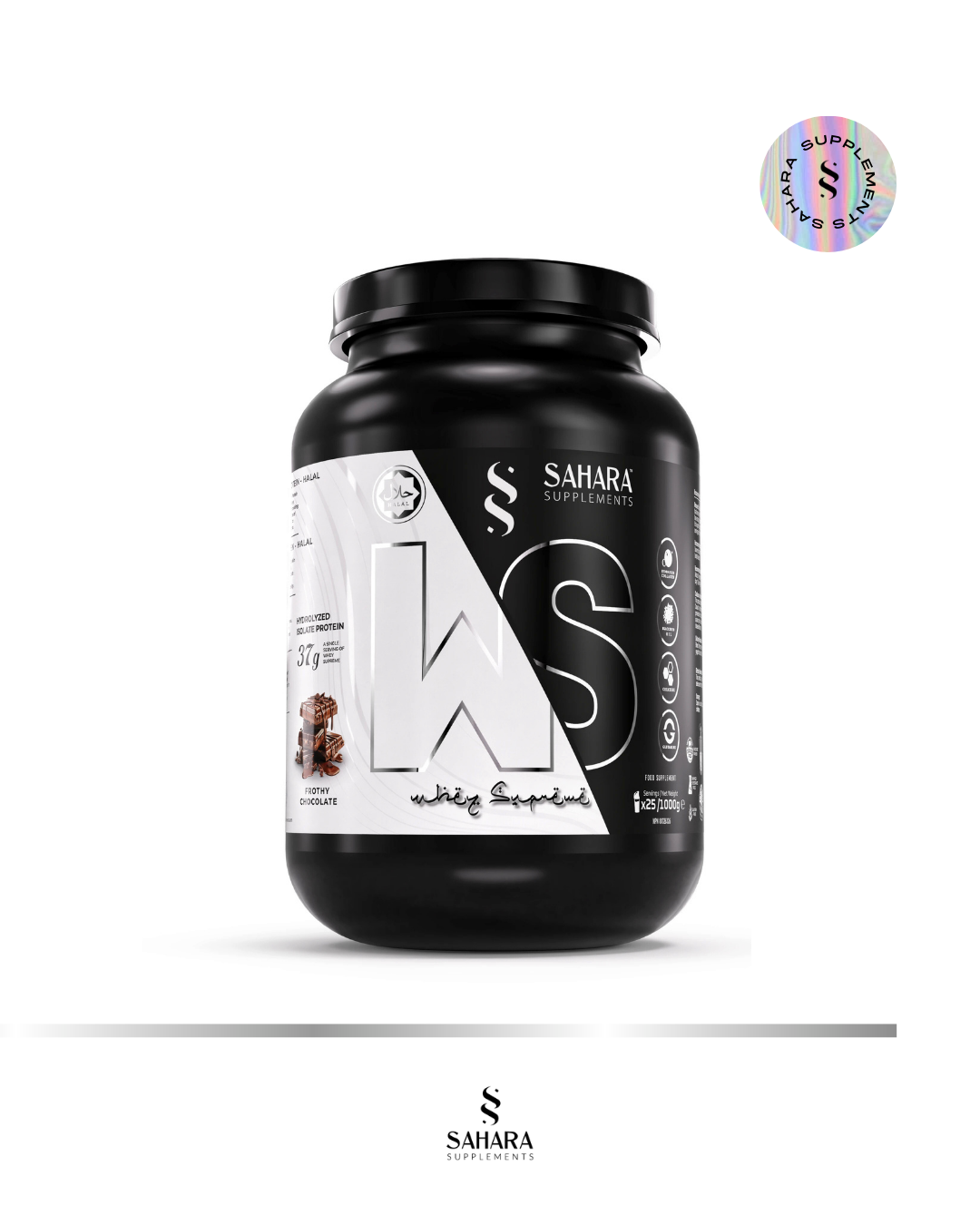
Whey Supreme is designed as a premium, everyday performance protein that reflects this “elite standard for everyone” mindset, bringing together ingredients like hydrolyzed whey protein, hydrolyzed bovine collagen, glutamine, black seed oil extract and creatine monohydrate in a format meant to be held to higher verification expectations than the category average.
Not as a shortcut. As a standard.
Our goal is not to borrow credibility from athlete-only systems, but to normalize them for everyday use.
(Soft CTA: If you want to see how Sahara applies these principles in practice, explore Whey Supreme and our quality standards page.)
Informed Choice certification is a structured third-party program built to reduce the risk of banned-substance contamination, backed by LGC.
The program includes pre-certification assessments, multi-batch pre-testing, and ongoing monthly blind retail testing.
Quality matters for everyone, not just pro athletes, because consistency, purity, and trust are long-term health decisions.
“FDA approved” isn’t a real supplement standard in the U.S.; responsibility sits with manufacturers, which makes credible third-party verification even more important.
The strongest brands layer standards: testing + compliance + sourcing + (where relevant) halal integrity.
Informed Choice certification is a global quality assurance program for dietary supplements that includes pre-certification review and ongoing testing to reduce contamination risk with prohibited substances.
They use similar testing approaches, but Informed Sport is known for testing every batch/lot before release, while Informed Choice focuses on ongoing monitoring and regular testing.
Yes. Third-party testing helps reduce contamination risk, improves consistency, and provides independent verification beyond marketing claims, valuable for families, coaches, and everyday users.
In the U.S., the FDA does not approve dietary supplements before they are marketed, and it does not pre-approve supplements for safety and effectiveness like drugs.
Look for credible third-party tested supplements, ask what’s tested and how often, and favor brands that explain their quality controls clearly, especially if you care about a clean protein powder or are concerned about heavy metals in protein powder.

